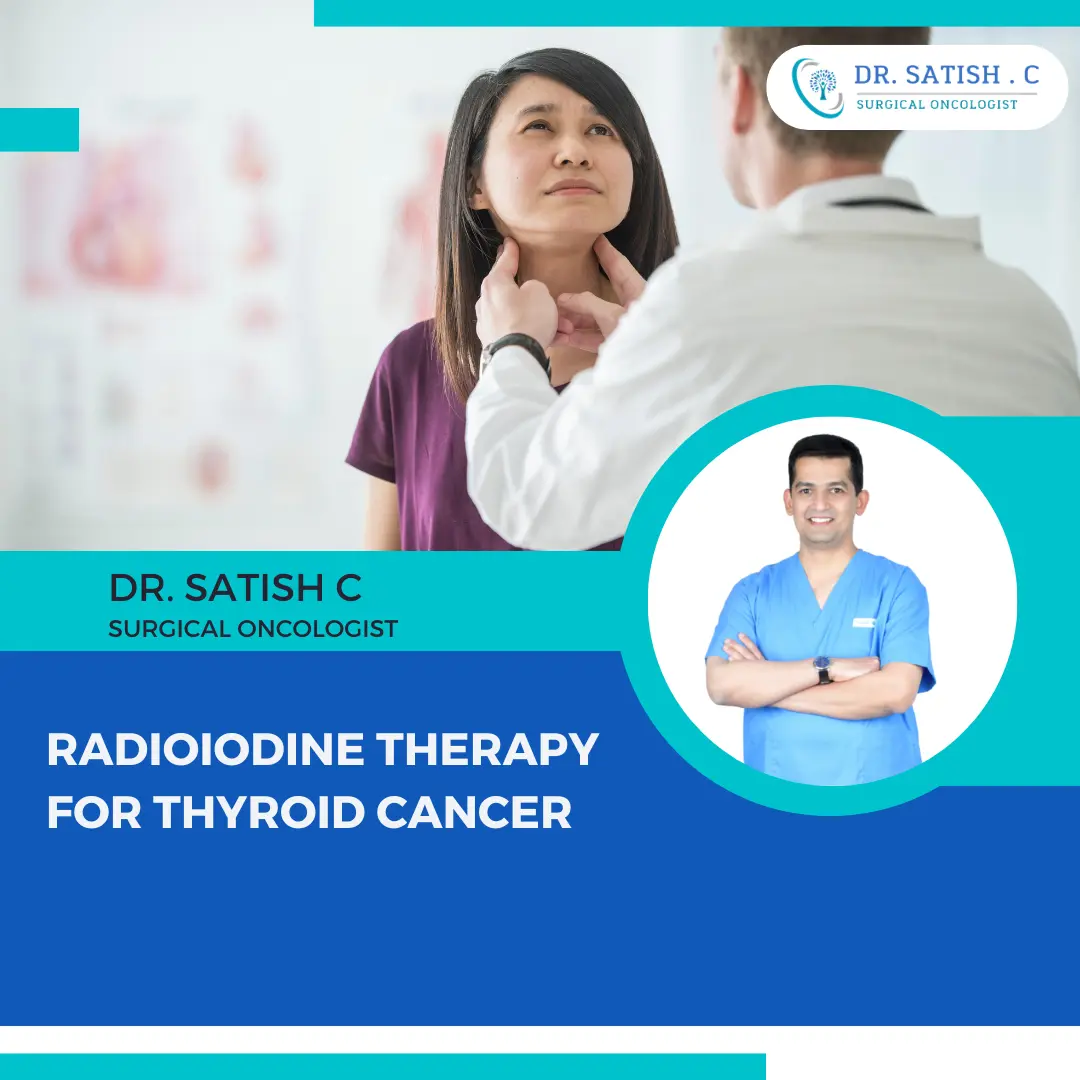
Thyroid cancer is one of the most treatable cancers when diagnosed early and managed appropriately. Along with surgery, Radioiodine Therapy (RAI) plays an important role in treating certain types of thyroid cancer by destroying remaining thyroid tissue and cancer cells. If you’re looking for an experienced Surgical Oncologist in Bangalore, timely consultation can help determine whether radioiodine therapy is part of the most effective treatment plan. An expert Thyroid Cancer Specialist in Bangalore works closely with nuclear medicine physicians and endocrinologists to provide comprehensive cancer care tailored to each patient.
Understanding how radioiodine therapy works can help patients feel more confident and prepared during their treatment journey.
What Is Radioiodine Therapy?
Radioiodine Therapy, also known as Iodine-131 (I-131) therapy, is a specialized treatment used after thyroid surgery for certain types of thyroid cancer, particularly:
- Papillary thyroid cancer
- Follicular thyroid cancer
Since thyroid cells naturally absorb iodine, radioactive iodine can specifically target and destroy remaining thyroid tissue or microscopic cancer cells while minimizing damage to most other parts of the body.
Who Needs Radioiodine Therapy?
Not every thyroid cancer patient requires radioiodine therapy.
Your Surgical Oncologist in Bangalore and oncology team may recommend it if:
- The cancer has spread beyond the thyroid gland.
- There is a high risk of recurrence.
- Cancer has spread to nearby lymph nodes.
- Small amounts of thyroid tissue remain after surgery.
- Follow-up scans or blood tests suggest residual disease.
Patients with very low-risk thyroid cancer may only need surgery and regular monitoring.
How Does the Treatment Work?
After thyroid surgery, patients may undergo specific tests to determine if Radioiodine Therapy is appropriate.
The treatment involves swallowing radioactive iodine in the form of a capsule or liquid.
Once inside the body:
- Thyroid cells absorb the radioactive iodine.
- The radiation destroys remaining thyroid tissue.
- Cancer cells that absorb iodine are also targeted.
- Most of the unused radioactive iodine leaves the body through urine over the next few days.
This targeted approach makes radioiodine therapy highly effective for suitable patients.
Preparing for Radioiodine Therapy
Proper preparation improves treatment effectiveness.
Your doctor may recommend:
- Following a low-iodine diet for 1–2 weeks before treatment.
- Temporarily stopping thyroid hormone medication (if advised).
- Receiving recombinant TSH injections in selected cases.
- Avoiding iodine-containing supplements or medications.
Always follow your healthcare team’s instructions carefully before treatment.
Possible Side Effects
Most patients tolerate Radioiodine Therapy well.
Temporary side effects may include:
- Dry mouth
- Neck tenderness
- Mild nausea
- Altered taste sensation
- Swelling of salivary glands
- Fatigue
Most of these symptoms improve within a few days or weeks.
Rare long-term complications are carefully monitored during follow-up visits.
Safety Precautions After Treatment
Since your body temporarily emits small amounts of radiation, certain precautions help protect family members.
Your doctor may advise:
- Maintaining distance from others for a few days.
- Avoiding close contact with children and pregnant women.
- Sleeping separately for a short period.
- Drinking plenty of fluids.
- Practicing good hand hygiene.
- Flushing the toilet twice after use.
The duration of these precautions depends on the dose received.
Follow-Up Care
Regular follow-up is essential after treatment.
Your Cancer Specialist in Bangalore may monitor:
- Thyroglobulin blood levels
- Thyroid hormone levels
- Ultrasound scans
- Whole-body iodine scans (if required)
- Physical examinations
These evaluations help detect recurrence early and ensure long-term recovery.
Can Patients Live Normally After Radioiodine Therapy?
Yes. Most patients return to their normal routine within a few days after completing the recommended safety precautions.
Long-term success depends on:
- Early diagnosis
- Complete surgical removal when indicated
- Appropriate Radioiodine Therapy
- Regular follow-up
- Lifelong thyroid hormone replacement when necessary
With proper treatment, the prognosis for many thyroid cancer patients is excellent.
Frequently Asked Questions
1. Is Radioiodine Therapy painful?
No. The treatment is usually given as a capsule or liquid that is swallowed, making it a simple and painless procedure.
2. Does every thyroid cancer patient need Radioiodine Therapy?
No. It is mainly recommended for selected patients with intermediate- or high-risk thyroid cancer after surgery. Low-risk patients may not require it.
3. Can I go home after Radioiodine Therapy?
In many cases, yes. Depending on the radioactive dose, some patients can return home with safety precautions, while others may require a short hospital stay.
4. Are there any long-term side effects?
Most side effects are temporary. Rare long-term effects may occur, which is why regular follow-up with your healthcare team is important.
5. What is the success rate of Radioiodine Therapy?
Radioiodine Therapy is highly effective in reducing the risk of recurrence and treating remaining thyroid tissue in appropriately selected patients, especially when combined with surgery and ongoing follow-up.
Conclusion
Radioiodine Therapy is an important part of treatment for many patients with differentiated thyroid cancer, helping eliminate remaining thyroid tissue and reducing the risk of cancer recurrence. Combined with expert surgery, personalized follow-up, and multidisciplinary care, it contributes to excellent long-term outcomes for many patients. If you’re searching for an experienced Surgical Oncologist in Bangalore, consult a qualified Thyroid Cancer Specialist in Bangalore to receive a comprehensive evaluation and a treatment plan tailored to your specific condition.