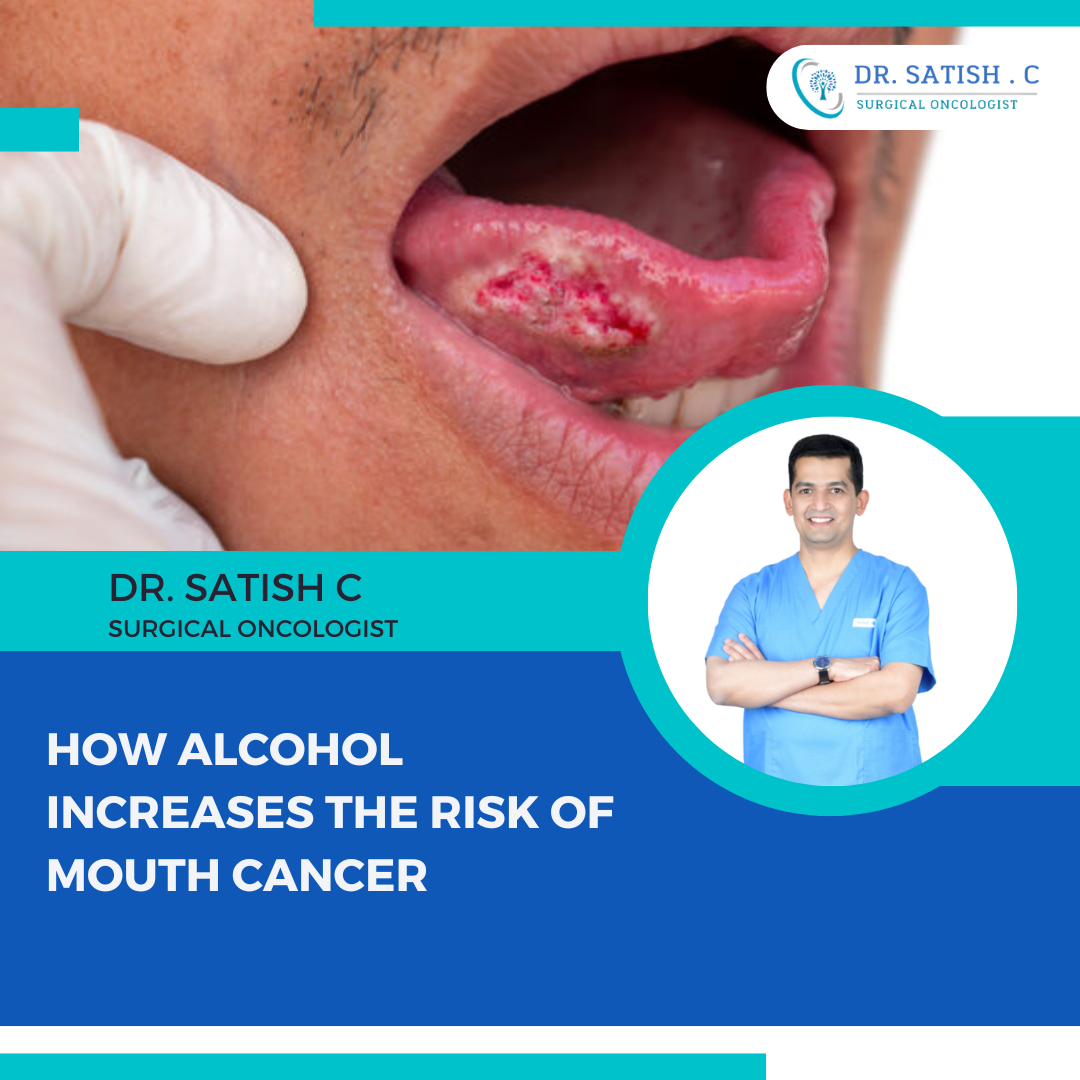
Mouth cancer is one of the most serious health conditions affecting the oral cavity, and lifestyle habits play a major role in increasing the risk. Among these habits, excessive alcohol consumption has been strongly linked to the development of oral cancers. Understanding this connection is essential for prevention, early detection, and healthier living. Consulting the Best Cancer Surgeon in Bangalore can help individuals understand the warning signs, risk factors, and treatment options for mouth cancer.
Alcohol affects the tissues inside the mouth and throat in several harmful ways. Over time, frequent alcohol consumption can damage cells, weaken the body’s defense mechanisms, and increase exposure to cancer-causing substances.
What Is Mouth Cancer?
Mouth cancer, also known as oral cancer, refers to cancer that develops in any part of the mouth, including:
- Lips
- Tongue
- Gums
- Inner cheeks
- Roof or floor of the mouth
- Throat region
If not diagnosed early, mouth cancer can spread to nearby tissues and become life-threatening.
How Does Alcohol Increase the Risk of Mouth Cancer?
1. Damages Cells in the Mouth
Alcohol irritates and damages the delicate lining of the mouth and throat. Repeated exposure can lead to abnormal cell changes that may eventually turn cancerous.
2. Produces Harmful Chemicals
When alcohol is broken down in the body, it produces a toxic chemical called acetaldehyde. This substance can damage DNA and interfere with normal cell repair processes, increasing cancer risk.
3. Makes It Easier for Carcinogens to Enter Cells
Alcohol can weaken the protective barrier of oral tissues, allowing harmful substances like tobacco chemicals to enter cells more easily.
4. Combined Effect of Alcohol and Tobacco
People who both smoke and consume alcohol have a significantly higher risk of developing mouth cancer. The combined effect multiplies the damage caused to oral tissues.
5. Weakens the Immune System
Excessive alcohol intake can weaken the immune system, making it harder for the body to detect and destroy abnormal cancer cells.
Early Symptoms of Mouth Cancer
Recognizing symptoms early can improve treatment outcomes. Common warning signs include:
- Persistent mouth ulcers
- Red or white patches inside the mouth
- Difficulty swallowing
- Pain in the mouth or throat
- Loose teeth
- Lumps in the neck
- Unexplained bleeding
Any symptoms lasting more than two weeks should be evaluated by a doctor.
Who Is at Higher Risk?
Certain factors can further increase the risk of mouth cancer:
- Heavy alcohol consumption
- Smoking or chewing tobacco
- Poor oral hygiene
- HPV infection
- Family history of cancer
- Poor nutrition
Reducing these risk factors can significantly lower the chances of developing oral cancer.
Can Mouth Cancer Be Prevented?
While not all cancers are preventable, several healthy habits can reduce risk:
- Limit or avoid alcohol consumption
- Quit smoking and tobacco use
- Maintain good oral hygiene
- Eat a healthy diet rich in fruits and vegetables
- Attend regular dental and medical check-ups
Early screening is especially important for individuals with long-term alcohol or tobacco habits.
Importance of Early Diagnosis
Mouth cancer detected in its early stages is often easier to treat successfully. Delayed diagnosis may allow the cancer to spread, requiring more extensive treatment.
Treatment options may include:
- Surgery
- Radiation therapy
- Chemotherapy
- Targeted therapy
The treatment plan depends on the stage and location of the cancer.
FAQs
1. Does occasional alcohol consumption cause mouth cancer?
Occasional drinking may carry less risk, but frequent and heavy alcohol use significantly increases the chances of developing mouth cancer.
2. Is mouth cancer only caused by alcohol?
No, tobacco use, HPV infection, poor oral hygiene, and other factors can also contribute to mouth cancer.
3. What are the first signs of mouth cancer?
Persistent mouth sores, white or red patches, difficulty swallowing, and lumps inside the mouth are common early symptoms.
4. Can quitting alcohol reduce cancer risk?
Yes, reducing or stopping alcohol consumption can help lower the risk of mouth and throat cancers over time.
5. Is mouth cancer treatable?
Yes, mouth cancer can often be treated successfully, especially when detected early.
Conclusion
Alcohol consumption is a major lifestyle factor that can significantly increase the risk of mouth cancer, especially when combined with tobacco use. Understanding the harmful effects of alcohol on oral tissues and recognizing early warning signs can help with prevention and timely treatment. Maintaining healthy habits and seeking regular medical evaluations are important steps toward protecting oral health. If you are concerned about symptoms or cancer risks, consulting the Best Cancer Surgeon in Bangalore can help you receive expert diagnosis, guidance, and advanced treatment options.