
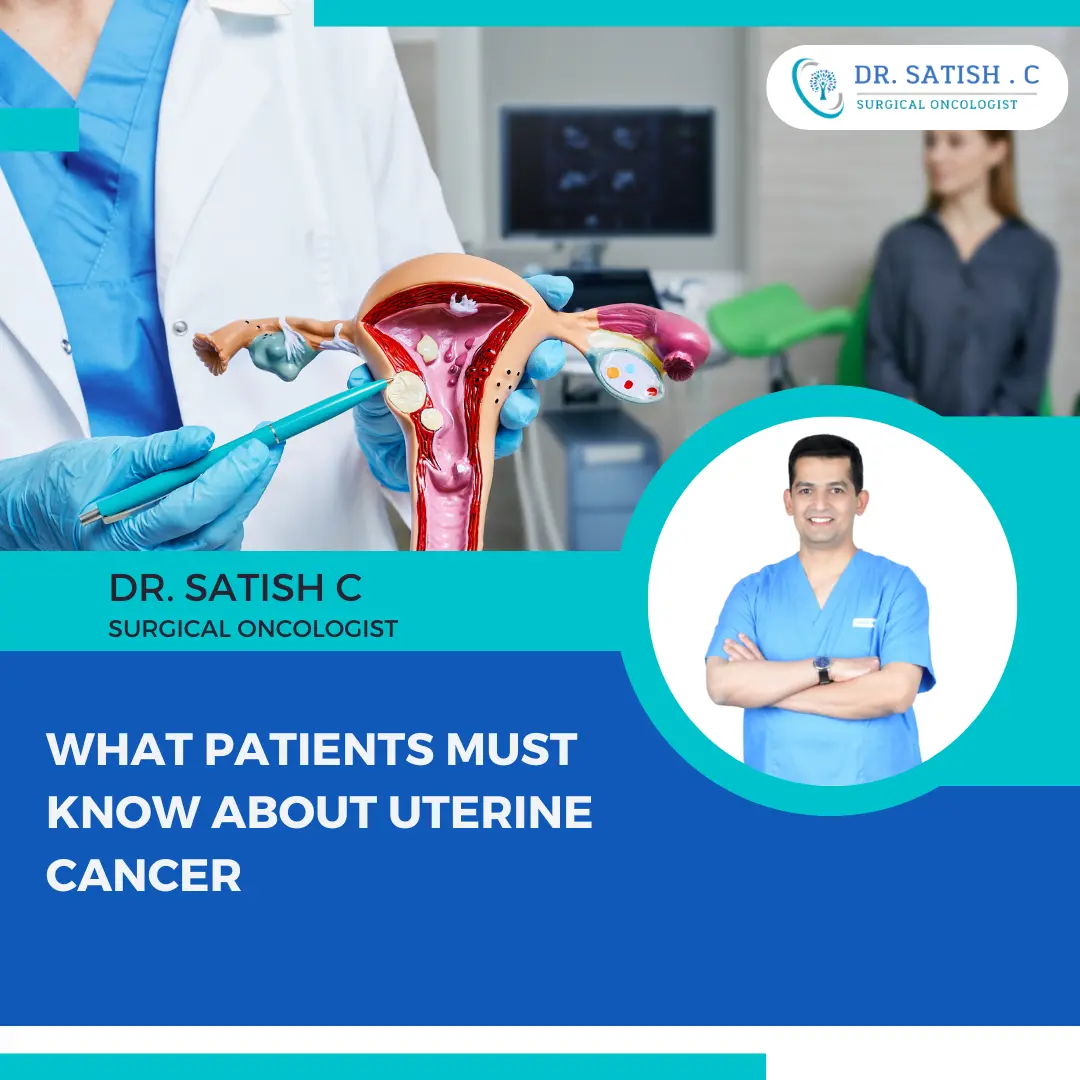
Hearing the words “uterine cancer” can be overwhelming, but understanding the condition is the first step toward making informed decisions. With early diagnosis and the right treatment, many women with uterine cancer have excellent outcomes. Knowing the symptoms, risk factors, treatment options, and the importance of timely care can make a significant difference. If you’re looking for the Best Uterine Cancer Treatment in Bangalore, consulting an experienced surgical / gynecological oncologist can help ensure personalized and evidence-based care.
What Is Uterine Cancer?
Uterine cancer is a type of cancer that begins in the uterus (womb). The most common form is endometrial cancer, which starts in the inner lining of the uterus called the endometrium.
Although it mainly affects women after menopause, it can also occur in younger women, especially those with certain risk factors.
Early Warning Signs You Should Never Ignore
One of the biggest advantages of uterine cancer is that it often causes symptoms early.
Common warning signs include:
- Bleeding after menopause
- Heavy or irregular menstrual bleeding
- Bleeding between periods
- Persistent pelvic pain or pressure
- Watery or blood-stained vaginal discharge
- Pain during intercourse
- Unexplained weight loss in advanced stages
Any abnormal uterine bleeding should be evaluated by a gynecologist without delay.
Who Is at Higher Risk?
Several factors can increase the risk of uterine cancer, including:
- Age above 50 years
- Obesity
- Diabetes
- High blood pressure
- Family history of uterine or colorectal cancer
- Polycystic Ovary Syndrome (PCOS)
- Never having been pregnant
- Early onset of menstruation or late menopause
- Long-term exposure to estrogen without progesterone
Having one or more risk factors does not mean you will develop cancer, but regular medical check-ups become even more important.
How Is Uterine Cancer Diagnosed?
Your doctor may recommend one or more of the following:
- Pelvic examination
- Transvaginal ultrasound
- Endometrial biopsy
- Hysteroscopy
- MRI or CT scan
- Blood tests when required
A biopsy is the definitive test to confirm uterine cancer.
Latest Treatment Options
Treatment depends on the stage of the disease, the type of cancer, and the patient’s overall health.
Surgery
Surgery is the primary treatment for most uterine cancers.
It usually involves:
- Removal of the uterus (hysterectomy)
- Removal of the ovaries and fallopian tubes when necessary
- Assessment or removal of nearby lymph nodes
Minimally Invasive Surgery
Many women are suitable candidates for laparoscopic or robotic-assisted surgery.
Benefits include:
- Smaller incisions
- Less pain
- Reduced blood loss
- Faster recovery
- Shorter hospital stay
Radiation Therapy
Radiation may be recommended after surgery or as the main treatment in selected patients to reduce the risk of recurrence.
Chemotherapy
Chemotherapy is generally used for advanced-stage, aggressive, or recurrent uterine cancers.
Hormone Therapy
Certain hormone-sensitive uterine cancers can be treated with hormone therapy, especially in carefully selected patients.
Targeted Therapy and Immunotherapy
Advances in cancer treatment have introduced targeted therapies and immunotherapy for selected patients with advanced or recurrent uterine cancer, offering new hope in specific situations.
Can Uterine Cancer Be Cured?
Yes. When diagnosed in its early stages, uterine cancer has a very high cure rate.
This is why it is important not to ignore symptoms such as postmenopausal bleeding or abnormal menstrual bleeding.
Recovery After Treatment
Recovery involves more than treating the cancer.
Patients should focus on:
- Regular follow-up appointments
- Healthy nutrition
- Gradual physical activity
- Emotional well-being
- Managing treatment-related side effects
- Monitoring for recurrence
A multidisciplinary team can help patients recover physically and emotionally.
Frequently Asked Questions (FAQs)
1. Is uterine cancer the same as cervical cancer?
No. Uterine cancer begins in the uterus, while cervical cancer starts in the cervix. They are different diseases with different causes and treatments.
2. Is postmenopausal bleeding always cancer?
No. Many conditions can cause postmenopausal bleeding, but it should always be evaluated because it may be an early sign of uterine cancer.
3. Can younger women get uterine cancer?
Yes. Although it is more common after menopause, younger women can also develop uterine cancer, especially if they have certain risk factors.
4. Is surgery always necessary?
For most patients, surgery is the main treatment. However, the treatment plan depends on the stage of cancer, overall health, and individual circumstances.
5. Can uterine cancer come back after treatment?
Yes. Regular follow-up appointments are important to detect any recurrence early and manage it promptly.
6. Can uterine cancer be prevented?
There is no guaranteed way to prevent uterine cancer, but maintaining a healthy weight, managing diabetes, staying physically active, and seeking medical attention for abnormal bleeding may help reduce the risk.
Conclusion
Uterine cancer is one of the most treatable gynecological cancers when detected early. Recognizing abnormal bleeding, seeking prompt medical evaluation, and receiving personalized treatment can greatly improve outcomes. Advances in minimally invasive surgery, targeted therapy, and multidisciplinary cancer care continue to enhance recovery and quality of life. If you are searching for the Best Uterine Cancer Treatment in Bangalore, choosing an experienced surgical/ gynecological oncologist ensures comprehensive care tailored to your individual needs.