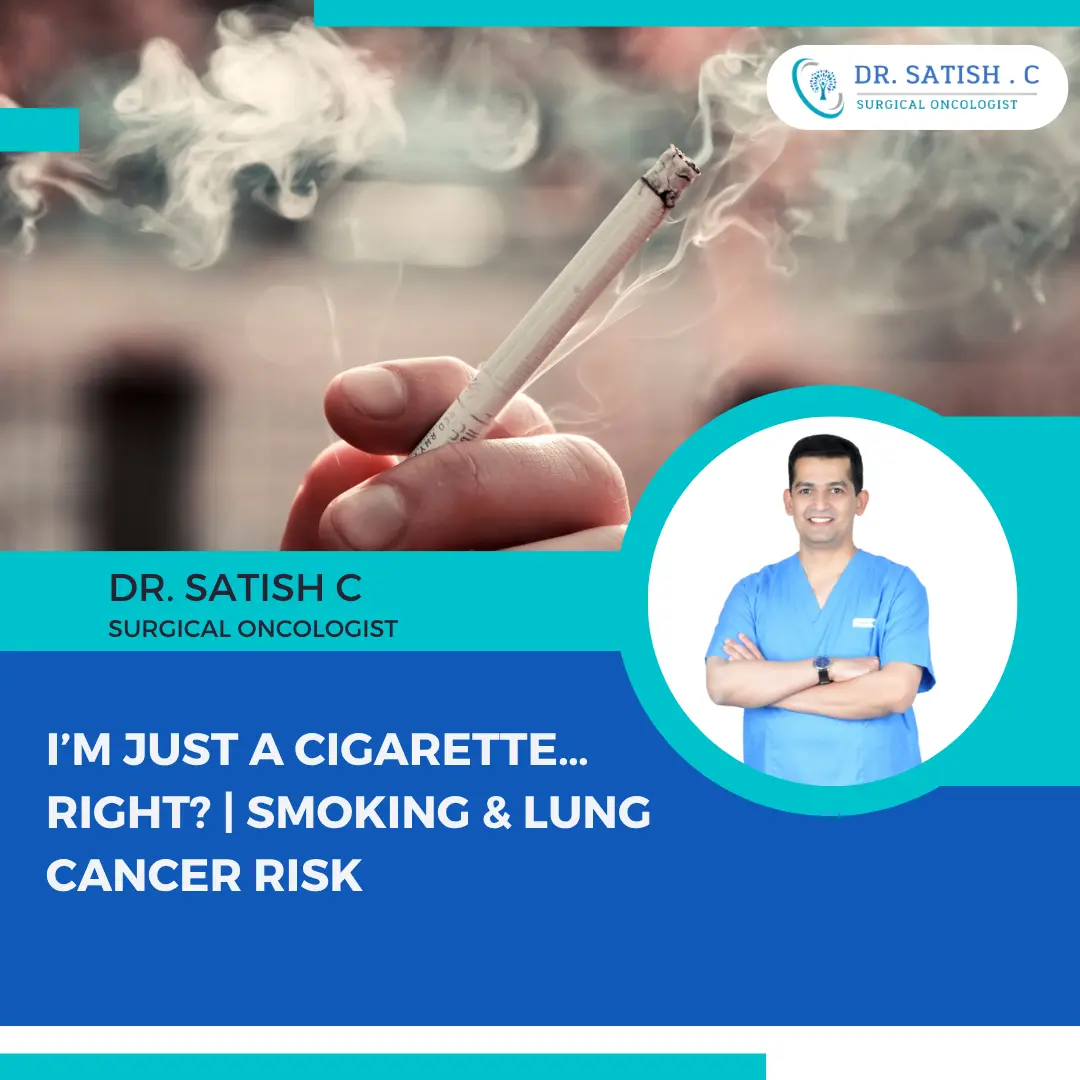
Smoking is often dismissed as “just a habit,” but cigarette smoke contains numerous harmful chemicals that can damage the lungs and increase the risk of serious diseases, including lung cancer. People who smoke regularly or have concerns about their lung health can consult a Lung Cancer Surgeon in Bangalore for appropriate evaluation and guidance.
In this video, the doctor explains how smoking affects the lungs, why long-term cigarette exposure increases lung cancer risk, and why understanding the warning signs and seeking timely medical advice is important.
Every cigarette exposes the lungs to toxic substances. Repeated exposure can cause inflammation and damage to lung tissue. Over time, these changes may affect normal lung function and contribute to the development of serious respiratory conditions.
1. Cigarette Smoke Contains Harmful Chemicals
Tobacco smoke contains many chemicals, including substances that can damage cells and contribute to cancer development. With repeated exposure, the risk of cellular changes increases.
2. Smoking Damages Lung Tissue
Smoking can irritate and inflame the airways. Long-term smoking may contribute to persistent coughing, breathing difficulties, reduced lung function, and chronic respiratory problems.
3. Smoking Increases Lung Cancer Risk
Smoking is one of the major risk factors for lung cancer. The risk generally increases with the amount and duration of tobacco exposure. However, lung cancer can also occur in people who have never smoked.
4. Secondhand Smoke Also Matters
People who do not smoke can still be exposed to tobacco smoke from others. Long-term exposure to secondhand smoke can also increase health risks, including the risk of lung cancer.
5. Warning Signs Should Not Be Ignored
A persistent or worsening cough, coughing up blood, unexplained weight loss, chest pain, breathlessness, recurrent chest infections, or persistent hoarseness may require medical evaluation.
Having one of these symptoms does not necessarily mean a person has lung cancer, but persistent or concerning symptoms should be assessed by a healthcare professional.
Yes. Quitting smoking is one of the most important steps a smoker can take to improve their health. Although previous tobacco exposure cannot be completely erased, stopping smoking can reduce the risk of several smoking-related diseases over time.
People who are struggling to quit can seek professional support and use evidence-based tobacco cessation strategies.
Persistent respiratory symptoms, abnormal chest imaging, or a suspected lung tumour may require evaluation by a specialist. Depending on the situation, investigations such as imaging, bronchoscopy, or a biopsy may be recommended to determine the cause.
A Surgical Oncologist in Bangalore may be involved when a lung tumour requires surgical assessment or treatment as part of a multidisciplinary cancer-care plan.
Conclusion
A cigarette may look small, but repeated exposure to tobacco smoke can have serious long-term effects on lung health. Smoking is a major risk factor for lung cancer, while quitting can significantly improve health and reduce future risks. Persistent symptoms should never be ignored, particularly in people with a history of tobacco use. If you are concerned about lung cancer or have been diagnosed with a lung tumour, consulting a Lung Cancer Surgeon in Bangalore can help you understand the appropriate evaluation and treatment options.
FAQ's
No. Not every smoker develops lung cancer, but smoking significantly increases the risk. The risk depends on factors such as duration and intensity of smoking, along with other individual factors.
Yes. Lung cancer can occur in people who have never smoked. Other factors, including secondhand smoke, radon exposure, occupational exposures, air pollution, and genetic factors, may contribute.
Yes. Quitting smoking reduces the risk of lung cancer and several other serious diseases. The earlier a person quits, the greater the potential health benefit.
No. A persistent cough can have many causes, including infections, asthma, allergies, acid reflux, and smoking-related lung disease. However, a cough that persists or changes should be medically evaluated.
If investigations suggest a lung tumour or lung cancer and surgery may be considered, consultation with a lung cancer surgeon can help determine whether surgery is appropriate and discuss available treatment options.